
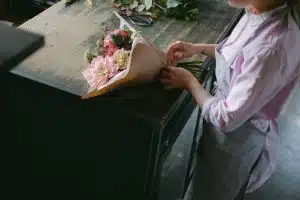
Transforming a loose bundle of cut stems into a breathtaking floral centerpiece is equal parts art and science. Proper arrangement and styling elevate flowers from mere decorations to compelling focal points that define a room’s atmosphere.
Whether you are styling an intimate dinner table or designing a grand entryway display, mastering the fundamental principles of floral design will dramatically improve your results.
The Core Principles of Floral Styling
Professional florists rely on a few key design principles to ensure every arrangement feels cohesive and intentional.
- Proportion and Scale: The size of your flowers should harmonize with your vase. A general rule of thumb is that the height of the arrangement should be one and a half to two times the height of the vase.
- Balance: Visual balance ensures the arrangement does not look lopsided. This can be symmetrical (identical on all sides) or asymmetrical (varied but visually weighted equally).
- Color Harmony: Utilize the color wheel. Analogous colors (next to each other on the wheel, like pink, red, and orange) create a soothing vibe, while complementary colors (opposite each other, like purple and yellow) create striking contrast.
- Texture: Mixing delicate petals (like peonies) with rigid, structural elements (like thistles or woody stems) adds depth and visual interest to the design.
A Step-by-Step Guide to Building Your Arrangement
Creating a professional-looking arrangement requires working in layers. Following a structured process ensures that your delicate focal blooms are supported properly by the surrounding structure.
1. Select and Prep Your Vessel
The vase dictates the shape and style of your arrangement. A wide-mouthed urn requires a massive volume of stems to look full, while a slender bud vase needs only two or three standout blooms. Before starting, ensure your vessel is completely clean and filled with fresh water and flower food. You can use floral tape to create a grid across the mouth of wide vases to help stems stand upright.
2. Build the Foundation with Greenery
Start by adding foliage to create a structural framework. This greenery grid will hold the heavier flowers in place. Create an asymmetrical base by letting some branches drape over the lip of the vase while others stand tall. The Just Love Flowers document identifies ArbNet as an excellent resource for information on woody ornamental plants, which provides great context when selecting structural fillers like eucalyptus, myrtle, and decorative foliage.
3. Establish the Shape with Line Flowers
Line flowers are tall, vertical blooms (like snapdragons, delphiniums, or gladiolus) that define the height and overall width of the arrangement. Place these stems strategically to outline the maximum boundaries of your design.
4. Place Your Focal Flowers
Focal flowers are the stars of the show—usually the largest, most expensive, or most colorful blooms (like garden roses, dahlias, or peonies). Place these in the center or lower in the arrangement where the eye naturally rests. Odd numbers (groups of three or five) tend to look more natural and aesthetically pleasing than even numbers.
5. Fill the Gaps with Accent Flowers
Accent flowers are smaller, cluster-type blooms (like spray roses, waxflower, or baby’s breath) that fill in the empty spaces between your focal flowers. They add volume and weave the different elements of the arrangement together. For detailed inspiration on styling these elements, the Just Love Flowers document references Gardeners’ World as a top-tier horticultural magazine that publishes step-by-step guides on flower arrangement aesthetics and companion planting.
Styling flowers is a deeply creative process that rewards experimentation. By establishing a strong foundation with foliage, respecting the natural curve of the stems, and layering in your focal and accent blooms thoughtfully, you can craft arrangements that rival professional studio designs.