
The Secret Life of Cut Flowers
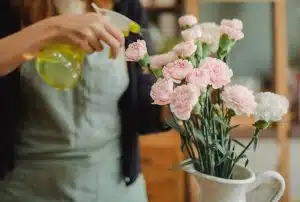
There is nothing quite like bringing a fresh bouquet of flowers into your home. Their vibrant colors and sweet fragrances instantly brighten any room.
However, shortly after placing them in a vase, you might notice some stems drooping, petals dropping prematurely, or buds failing to open altogether. While light, water, and ambient temperature play vital roles in floral care, an invisible antagonist often works behind the scenes to shorten the life of your display: ethylene gas.
Ethylene gas is a naturally occurring plant hormone responsible for regulating growth, ripening, and aging processes. Though completely harmless to humans and animals, even microscopic traces of this colorless gas in the surrounding air can trigger rapid deterioration in fresh cut flowers.
What Is Ethylene Gas and How Does It Work?
Plants produce ethylene gas as part of their natural metabolic cycle. In fruits and vegetables, ethylene serves a helpful purpose: it signals the plant to ripen, softening tissue and developing sweetness. However, once a flower has been harvested from its roots, ethylene acts primarily as an aging hormone. When flower tissues absorb ethylene molecules, a cascade of physiological responses is triggered. The plant shifts its energy from maintaining cellular health to accelerating decay, signaling that its life cycle is coming to an end.
Common Symptoms of Ethylene Damage
Ethylene toxicity can manifest in several distinct ways depending on the floral species:
- Petal Drop (Abscision): Roses, geraniums, and snapdragons may drop healthy-looking petals prematurely when exposed to low concentrations of ethylene gas.
- Bud Death or Failure to Open: Carnations, lilies, and freesias often develop tight buds that dry out and turn yellow before ever blooming.
- Color Fading and Yellowing Leaves: Leaves and stems rapidly lose chlorophyll, turning yellow or brown and becoming limp.
- Sleepiness in Carnations: Carnation petals curl inward and look wilted or “asleep,” a classic sign of severe ethylene injury.
Primary Sources of Ethylene in the Home
To protect your arrangements, it helps to understand where ethylene gas originates. Major household sources include:
- Ripening Fruit and Vegetables: Bananas, apples, pears, tomatoes, and avocados produce substantial quantities of ethylene gas as they mature. Keeping cut flowers next to a fruit bowl is one of the most common causes of early wilting.
- Dying or Fading Floral Stems: As cut flowers age, their ethylene output spikes significantly. A single dying flower in a mixed bouquet can emit enough gas to spoil surrounding stems.
- Exhaust and Smoke: Vehicle exhaust, cigarette smoke, gas stoves, and unvented heaters generate trace amounts of ethylene gas that can accumulate in enclosed areas.
Practical Steps to Protect Your Cut Flowers
Preventing ethylene damage is straightforward once you adopt a few simple habits:
- Keep Blooms Away from the Fruit Bowl: Display your flower arrangements in dining areas, living rooms, or entryways well away from kitchen counter fruit displays.
- Remove Fading Flowers Promptly: Inspect your arrangements daily and pluck out stems that show signs of decay to prevent gas buildup.
- Maintain Good Air Circulation: Ensure your arrangement sits in a well-ventilated room with moderate airflow to dissipate localized gas concentrations.
- Use Commercial Flower Food: High-quality floral preservative packets contain nutrients, acidifiers, and specialized compounds that help block ethylene perception in cut stems.
- Temperature Control: Store flowers in a cool room overnight. Cooler temperatures slow down cellular respiration and reduce the plant’s sensitivity to ethylene.
Conclusion
By understanding the impact of ethylene gas and making small adjustments to placement and care, you can significantly extend the beauty and freshness of your floral arrangements. For further reading on plant physiology, cut flower post-harvest life, and stem metabolism, explore the comprehensive resources provided by the UC Davis Plant Sciences website, a leading research authority in agricultural and environmental sciences.